Supermarket home delivery fleets rely on refrigerated vans that work long hours, complete short-stop routes and operate in constant stop-start conditions. These vans experience more compressor cycles, more door openings and more temperature fluctuations than long-haul vehicles, which increases wear on refrigeration components and raises maintenance costs year on year.
With OEM part prices rising and uptime becoming more important than ever, supermarkets need practical ways to control cost without affecting delivery performance. Below are five areas where last-mile fleets can make meaningful savings in 2026.
1. Rising part prices and the value of reliable alternative supply options
OEM components have increased in cost across most refrigeration categories in 2026. Major brands such as Carrier® and Thermo King® have seen year on year price increases of approximately 2 to 5 percent on average, and for supermarket fleets operating hundreds of vans every day, even small increases quickly accumulate.
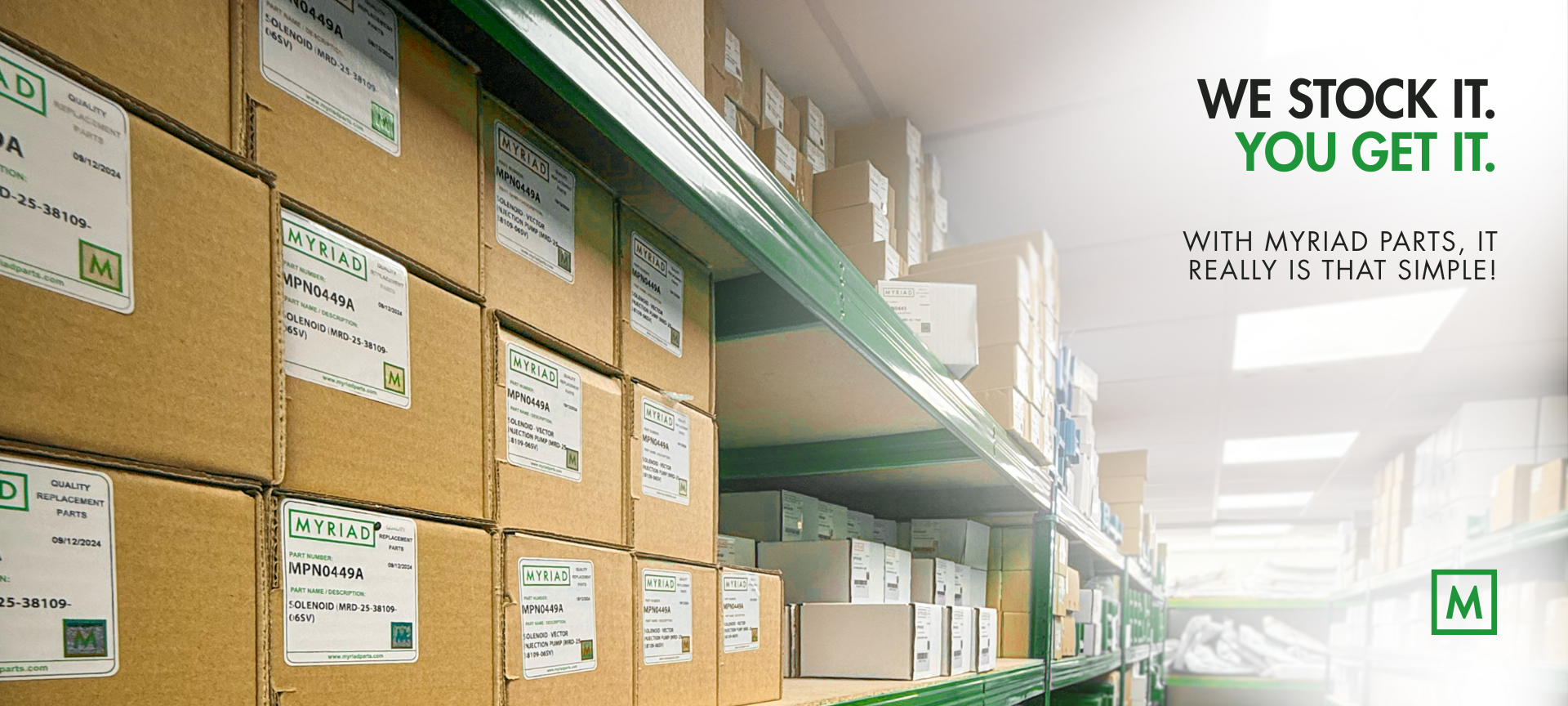
Switching to a trusted alternative supplier such as Myriad helps supermarkets access high-quality parts designed to fit leading refrigeration systems at a more manageable price point. With more than 75,000 individual items available from stock and 99 percent of orders despatched the same day, with same-day delivery available on selected items and locations, depots can secure the parts they need quickly and reliably.
This not only reduces spend but also limits the downtime caused by parts not being available from OEM channels.
2. One multi-brand partner for mixed van fleets, including support for GAH® systems
Most supermarket fleets operate a mix of refrigerated vans across multiple generations of vehicles, often fitted with Thermo King®, Carrier Transicold® or GAH® systems. Managing different suppliers for each brand increases costs and slows down workshops.
Using one multi-brand partner simplifies the entire process.
Myriad supplies parts designed to fit all major supermarket van systems and now supports genuine GAH® parts directly from stock. This gives supermarkets a single trusted point of contact for every depot, for every type of refrigerated van.
This consolidated approach helps supermarkets by:
- Allowing depots to order for all van types from one source
- Reducing the admin burden across procurement teams
- Simplifying stock planning for high-usage items
- Improving pricing consistency across regions
For supermarket operations that rely on high daily utilisation, having one reliable supplier across the full fleet makes a measurable difference.
3. Predictive maintenance for last-mile duty cycles, supported by Contract Maintenance planning
Home delivery vans experience accelerated wear because of constant short-stop activity. Breakdowns during a delivery route are extremely disruptive and can cost supermarkets far more than the price of a single component failure.
Predictive maintenance helps operators address known wear points before they lead to downtime.
Using the NEOS® 100S system as an example, several critical service items are inexpensive and quick to replace, such as:
- Poly V belts
- Brushes and brush holders
- Condenser and evaporator fan motors
- Return air sensors
- Fuses
- HP switches and thermostats
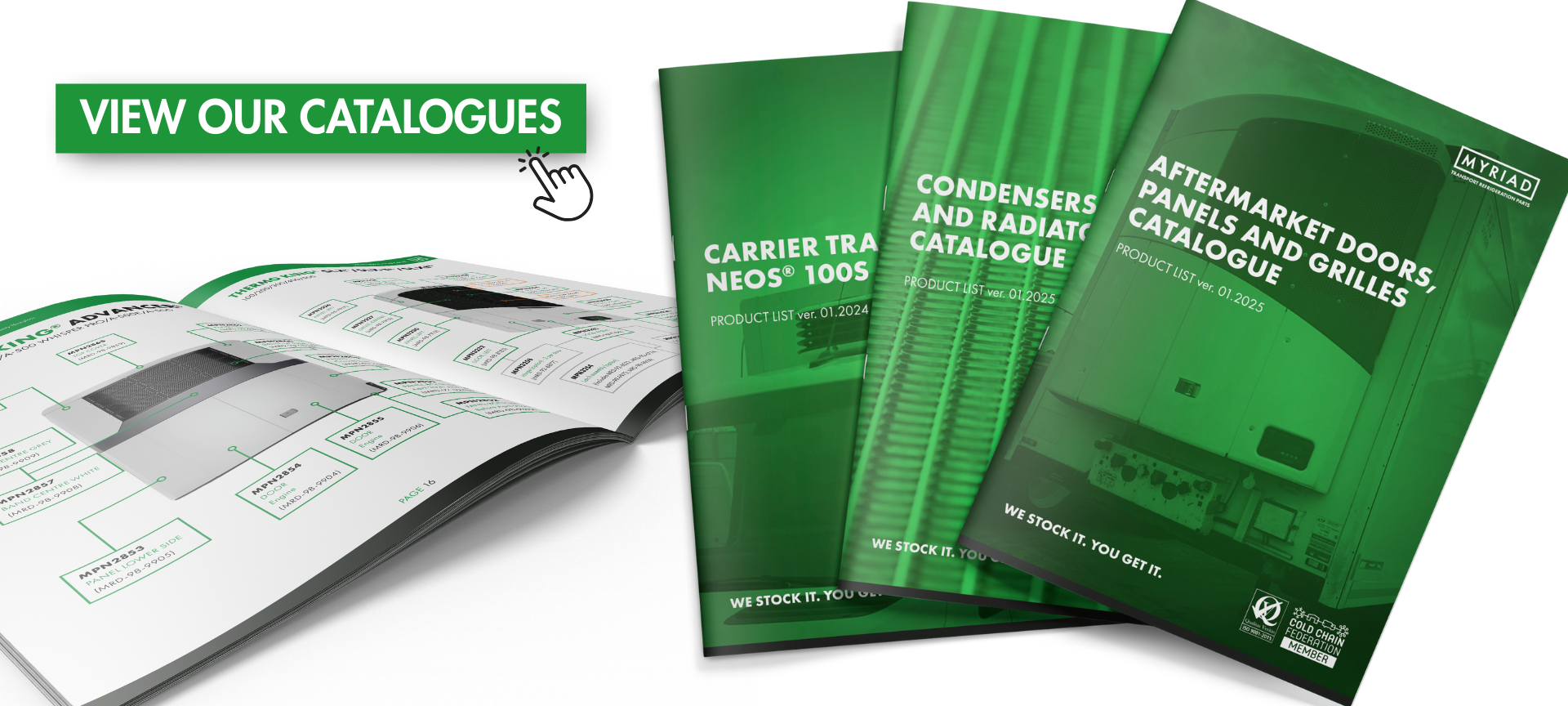
All of these items are listed in the NEOS® Quick List catalogue, giving supermarkets clear visibility of the exact part numbers they need for routine servicing.
To support this, supermarkets are increasingly adopting Contract Maintenance agreements with service partners. These agreements help:
- Build predictable maintenance schedules
- Control repair budgets throughout the year
- Ensure depots have planned parts allocation
- Reduce emergency callouts
- Extend the life of refrigeration assets
Predictive maintenance combined with Contract Maintenance gives supermarkets a controlled, proactive approach that stabilises costs and keeps vans on the road.
Lowering servicing costs with approved independent refrigeration specialists and structured Contract Maintenance
Dealer servicing remains essential for complex diagnostic work, but daily fleet maintenance is often more cost-effective when handled by approved independent refrigeration specialists.
Independent partners such as INTRE Group offer national coverage, quicker response times, and multi-brand technical capability tailored to supermarket delivery fleets. When paired with a formal Contract Maintenance structure, supermarkets gain:
Partners such as INTRE Group provide nationwide coverage, multi-brand technical capability and faster response times for supermarket operations that run daily fleets out of multiple depots. Their technicians understand the specific demands of home delivery vans and can schedule work around peak delivery slots.
- Fixed pricing or predictable monthly costs
- Agreed service intervals for each depot
- Response expectations often within 60 to 90 minutes of a breakdown call
- Flexible scheduling outside peak delivery hours
- Consistent standards across all van types
- Reduced labour rates compared with dealer networks
This hybrid approach provides strong technical quality while delivering improved cost control for large supermarket fleets.
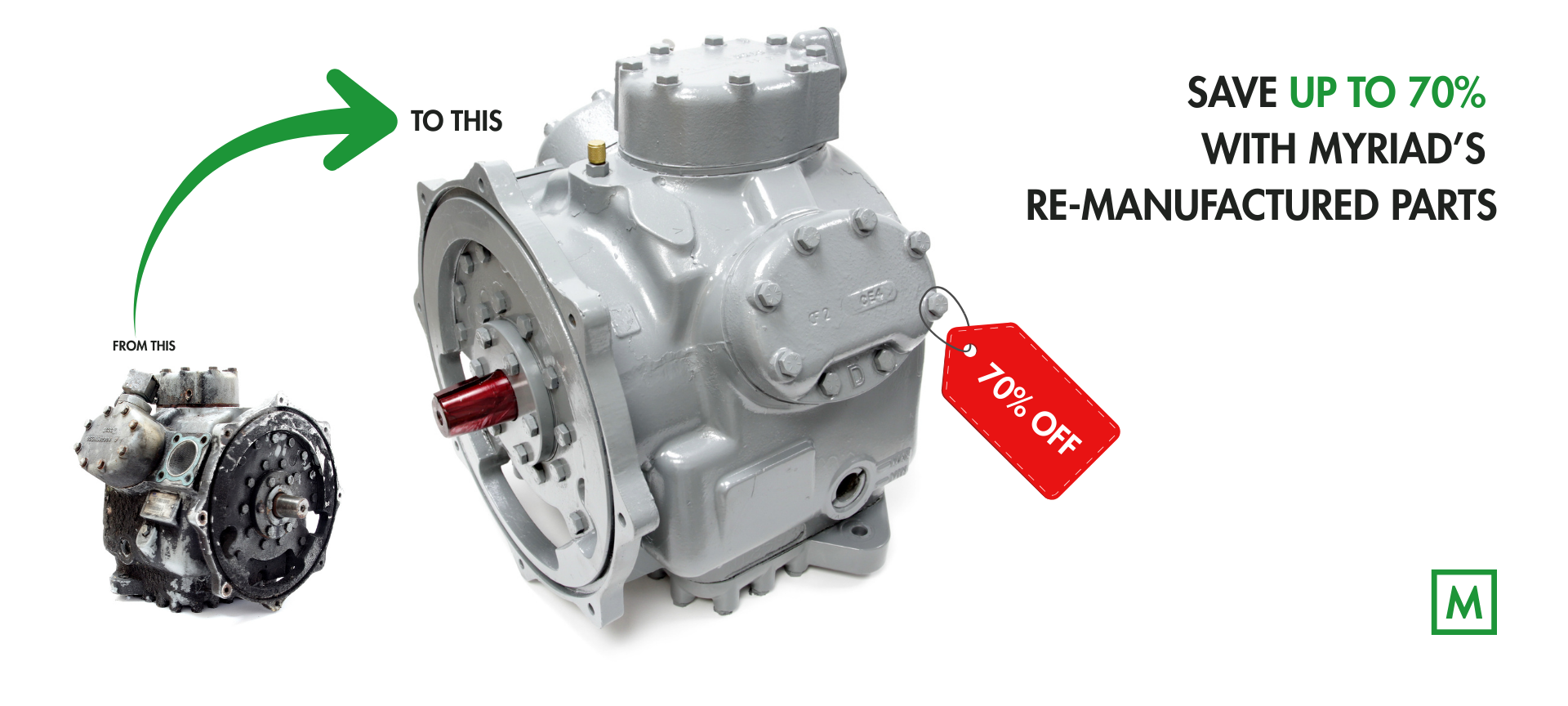
5. Save up to 70 percent with re-manufactured OEM electronics
Refrigeration control electronics are among the highest cost replacement components on supermarket vans. When these parts fail on ageing vehicles, installing new OEM units is often the most expensive option.
Re-manufactured OEM electronics provide a cost-effective and reliable alternative.
Myriad’s Service Exchange Programme supplies rebuilt OEM electronic modules that have been fully tested, validated and prepared to meet performance requirements, allowing supermarkets to save up to 70 percent while keeping older vans fully operational.
This is especially valuable within Contract Maintenance programmes, where predictable budgets are important and fleets aim to extend vehicle life cycles without sacrificing uptime.
Helping supermarket fleets access the right parts quickly
Supermarket workshops work to tight deadlines and must return vans to the road as quickly as possible. Myriad supports this with quick reference catalogues such as the NEOS® 100S Quick List, which provides clear part identification across belts, motors, coils, sensors, valves, logic boards and electrical components with OEM and corresponding Myriad references. This speeds up ordering, reduces the risk of incorrect parts and ensures workshops can complete repairs without unnecessary delays.
Helping supermarkets keep last-mile vans reliable and cost-efficient
As demand for home delivery continues to grow, supermarket fleets need solutions that improve reliability while reducing operating costs. By focusing on these five areas, operators can strengthen performance and control budgets across their full refrigeration network.
Myriad helps supermarkets achieve this through:
- Reliable alternative parts designed to fit leading refrigeration systems
- Genuine GAH® parts available directly from stock
- Predictive maintenance guidance and depot-ready service kits
- Re-manufactured OEM electronics
- Partnerships with approved independent specialists
- Support for Contract Maintenance programmes
- Clear identification tools for fast and accurate part ordering
With pressure increasing on delivery reliability and cost control, these five areas offer supermarkets a practical roadmap for improving the efficiency and resilience of their home delivery fleets in 2026.
BACK TO BLOG
